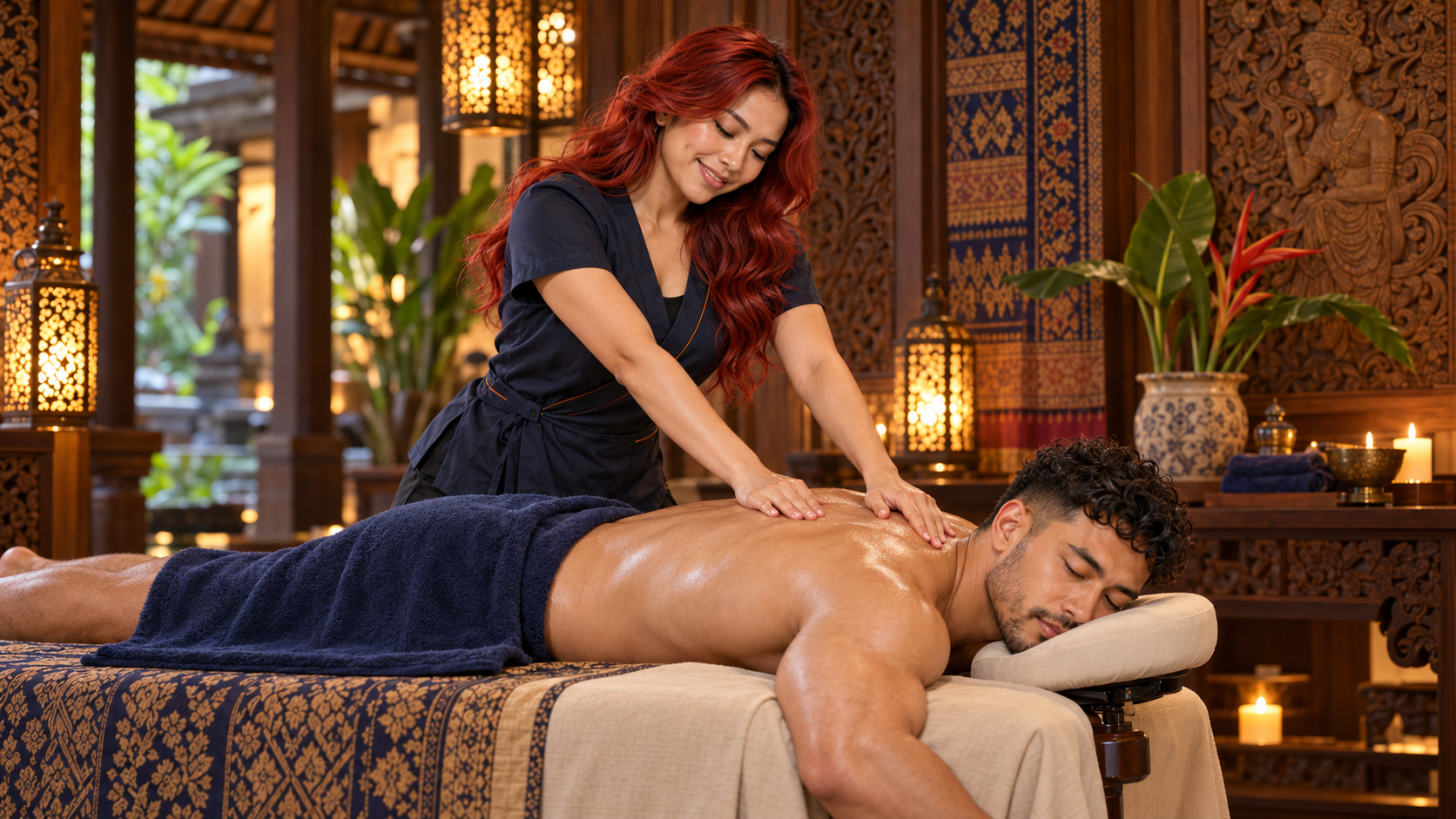


Foot reflexology is often misunderstood. Some see it as a simple foot treatment, while others view it as a structured practice based on traditional maps. One approach is straightforward: gentle pressure on tired feet, a steady rhythm, warm towels, and a quiet setting. Another approach describes it as a method that claims to affect the entire body through the feet.
It is helpful to view foot reflexology as a structured routine focused on the feet. It is not a diagnostic tool or a cure. Practitioners may use reflexology maps to guide their work. Many clients appreciate the calm, the focused attention, and the sense that their feet receive more than a brief massage. The map is a guide, not evidence that pressing one area will affect a distant organ.
What foot reflexology is
During a typical foot reflexology session, the practitioner uses their thumbs, fingers, sometimes knuckles, or even small tools (depending on the tradition) to apply gentle pressure to certain areas of your feet. You’ll usually stay fully clothed, just shoes and socks off. You might sit in a comfy chair or lie down on a treatment table. Sessions often start with a short chat, a quick foot wash, warm towels, and then a gentle sequence across your toes, arches, heels, ankles, and lower legs. Parang mini-spa for your feet. Most sessions last about 30 to 60 minutes, depending on the place and your preference. Many clients book every two to four weeks, but you can come more often if you like, or just when you feel the need.
Reflexology differs from a casual foot rub because it follows a repeatable pattern. Practitioners often use foot maps that divide the feet into zones linked to body regions. For example, the toes may correspond to the head and neck, the ball of the foot to the chest, the arch to the midsection, and the heel to the lower body. Use the map as a guide for the session. It is not an anatomical reference.
The foot map: useful, not mystical
The simplest way to put it: reflexology maps help the practitioner work with intention, so your session feels organized, not random. They also give you a way to talk about what feels good or sensitive. But if you feel a tender spot on your arch, it doesn’t mean you have a stomach problem. Most of the time, it just means your arch is tired, your shoes need an upgrade, you walked a lot, or maybe the pressure is a bit too much—no need to worry agad.
This is where reflexology can sometimes go off track. A careful practitioner might say, “This area feels sensitive, let’s make it gentler.” A less careful one might say, “Your liver is blocked.” They are different. The first is just feedback about your body’s comfort. The second is a medical-sounding claim, and that’s not something we can know just from pressing your foot.
Reflexology vs. foot massage
Foot massage usually focuses on muscles, fascia, circulation comfort, and the ordinary relief of tired feet. Reflexology uses more point-specific pressure and map-guided sequencing. In practice, the two can feel similar to a client, especially when the session is gentle and relaxation-focused.
The real difference isn’t that reflexology is always deeper or more powerful. It’s about structure. Reflexology follows a map and a theory, while massage focuses on muscles and soft tissue comfort. Both can feel wonderful, and both can be done poorly. What matters most is that your pain limits, hygiene, consent, and health history are respected. Walang pilitan, and always choose what feels safe for you.
What people commonly enjoy about it
Clients who like foot reflexology often mention the same simple benefits: their feet feel lighter, their breathing slows, their mind quiets, and they feel cared for without needing a full-body massage. For people who are shy about undressing, foot reflexology can also feel more approachable because the service is usually clothed and limited to the feet and lower legs.
Foot reflexology might be a good fit if you want a gentle, low-commitment wellness session, spend long hours standing, feel mentally tired, or prefer detailed foot pressure over a big back massage. It can also suit children and seniors, but it is especially important to make sure the practitioner adjusts pressure and technique for different ages and health needs. If you or your loved one have chronic conditions or special medical concerns, check with your doctor first and let your practitioner know before the session so they can keep it safe and comfortable. It’s also a nice treat after travel, errands, gym days, or long desk weeks. The best reason to book isn’t to fix your organs. The best reason is simple: your feet and your nervous system need a little reset. Sometimes, that’s all we really need.
What the evidence supports—and does not support
Current evidence does not strongly support the claim that reflexology can treat diseases by activating specific foot points. Major evidence reviews describe the research as limited, inconsistent, or low certainty. Some studies imply possible short-term benefits for comfort-related outcomes such as sleep quality, fatigue, relaxation, or selected symptoms in certain groups. Still, the findings are not strong enough to treat reflexology as a reliable medical intervention.
That doesn’t mean your good experience is fake, ha. It just means we need to be honest about what’s really helping. Touch, warmth, stillness, expectation, skilled attention, and a calm environment all affect how you feel. Those things matter a lot. But they don’t mean that pressing one spot on your foot will control a specific organ. Let’s keep it real, but let’s also enjoy the comfort.
So here’s the practical, caring advice: reflexology can be a pleasant, supportive wellness service. After your session, take things easy. Try to rest your feet, drink extra water, and notice how your body feels. If you feel unusually sore or dizzy, or notice swelling, redness, or numbness that doesn't go away, contact your doctor. Reflexology should never replace medical care, medication, physical therapy, wound care, diabetic foot care, or a proper check-up if you have pain, numbness, swelling, fever, or anything unexplained. Alaga muna, then consult your doctor if needed.
When to be cautious
Please don’t treat your feet casually if there are real health risks. If you’re pregnant, have diabetes with neuropathy or slow healing, circulation problems, blood clot risk, severe varicose veins, swelling, gout flare, recent injury or surgery, infection, open wounds, unexplained numbness, or significant pain—pause muna. Ask your doctor first before booking. Your safety comes first, always.
If you have a fever, a contagious skin condition, athlete’s foot, cellulitis, open cuts, or any foot problem that could spread infection or worsen with pressure, it’s best to postpone your session. Don’t worry, a good practitioner will understand and will never be offended. Part of good care is knowing when to rest and when not to work.
What to ask before booking
“Is this reflexology or a foot massage labeled as reflexology?” Either can be fine, but the menu should be honest.
“What training does the practitioner have?” Look for specific reflexology, massage, spa, or bodywork training rather than vague “healing hands” claims. Don't hesitate to ask to see certificates or find out whether the practitioner is a member of a professional organization. Some clinics display credentials on the wall, but you can always request to check their training or professional affiliations, so you feel confident about your safety and care.
“How strong is the pressure?” Reflexology should never feel like punishment. Stronger isn’t always better—comfort is the goal. Speak up if it feels too much, ha.
“Do you ask about health conditions?” Intake questions show your practitioner cares about your safety, not just a formality or hassle. Sagot lang honestly, for your own good.
“What happens if a point hurts?” The right answer is always to adjust, not to push through pain. Your comfort is more important than finishing a routine.
“What hygiene steps do you use?” Clean towels, clean hands, disinfected tools, and fresh linens are more important than any fancy-sounding menu. Simple, safe, and clean is always best.
How to decide if it is right for you
Go for foot reflexology if you want a focused, clothed, foot-centered session and you’re okay with a traditional map as a guide. If you want muscle comfort without the map, a regular foot massage is fine. But if your foot symptoms are new, severe, one-sided, swollen, numb, infected, or connected to a health condition, please see a doctor first. Alaga muna, always.
When it comes to price, don’t pay extra for miracle words. Pay for clean facilities, clear intake, trained hands, reasonable pressure, and professional boundaries. A simple, honest reflexology session is always better than a fancy package that promises to “detox” your organs through your feet. Save your money for real comfort.
The quiet, gentle version of reflexology is the strongest one: skilled touch, steady pressure, warm pacing, and realistic expectations. No drama, no pressure to believe in magic. Just your feet, your breathing, and a practitioner who knows when to work carefully and when to pause. Sometimes, that’s all the healing you need.