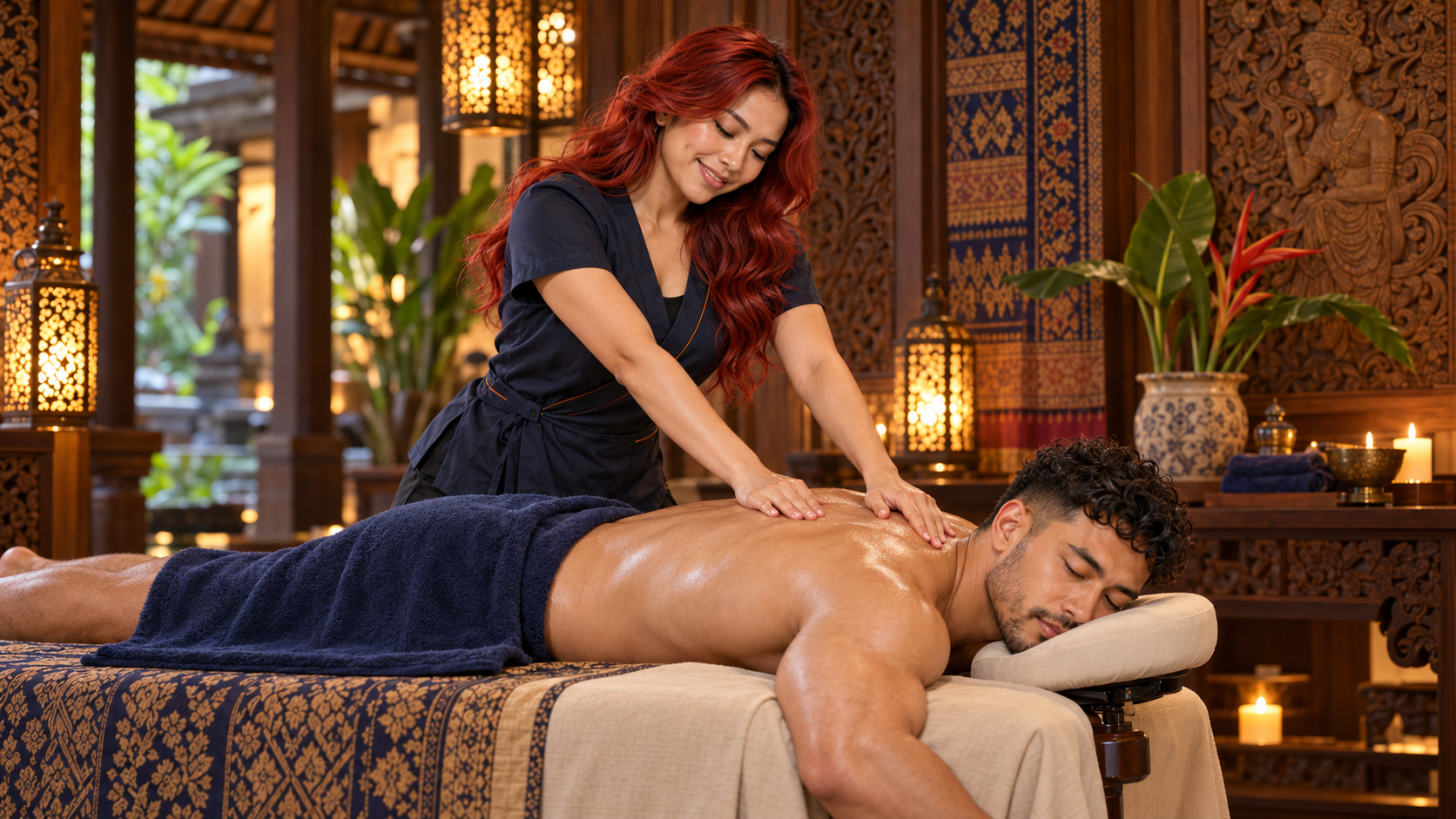

Hilot and modern massage overlap in one obvious way: both use skilled touch to help a person feel less tense, less stiff, and more at home in the body. After that, the road forks. Hilot carries Philippine traditional healing language, family practice, community memory, and sometimes herbal or spiritual elements. Modern massage, especially the kind most readers see in spas and wellness clinics, usually comes with service menus, intake forms, named modalities, pressure options, and a more standardized professional setup.
The practical question is not, “Which one is better?” That is too easy and usually wrong. The better question is: what kind of care are you actually booking, who is providing it, and what do you need from the session? A good hilot session and a good modern massage both require listening, clean hands, clear boundaries, and honest limits. A bad version of either one is still bad. Walang magic discount for calling something traditional.
The short version
If you want a simple distinction, think of Hilot as a Filipino traditional healing approach that often treats touch as part of a bigger idea of balance. Official Philippine traditional-health sources describe hilot as involving manipulations and massage, with traditional concepts of physical, mental, emotional, and spiritual balance. Some forms may include medicinal plants or bulong/orasyon, meaning whispered or written prayers. That does not mean every spa hilot includes all of those elements. Today, “hilot” can mean different things depending on the practitioner, the region, the family tradition, and the establishment using the word.
Modern massage, in the consumer-facing sense, is a broader umbrella. It can include Swedish, deep tissue, sports massage, Thai-inspired work, hot stone, aromatherapy, reflexology-style foot services, and other formats. It is usually sold by duration, pressure, technique, or goal: relaxation, recovery, stiffness relief, sleep support, or general wellness. In formal settings, the language tends to be anatomical and service-based rather than folk-healing-based.

Where hilot and modern massage are genuinely the same
Both begin with the same basic reality: a human body is tired, tight, stressed, sore, or simply asking for rest. Both can use kneading, rubbing, pressing, stretching, rhythm, and pressure changes. Both can be gentle or firm. Both should ask about pain, injuries, comfort, pressure preference, and areas to avoid. Both should stop or adjust when something feels wrong.
Both also depend heavily on the practitioner. A skilled practitioner can read feedback, slow down, modify pressure, and avoid forcing the body. A careless practitioner can turn any style into a regrettable hour. This is why the label on the menu is only the start. “Hilot,” “deep tissue,” or “therapeutic massage” does not guarantee skill by itself. You still check training, cleanliness, communication, and whether the person respects your limits.
What makes hilot different
Hilot is not just “Filipino deep tissue.” That shortcut loses too much. In many Filipino families and communities, hilot is associated with traditional ideas about imbalance, lamig, body heat, circulation, pregnancy and postpartum care, sprains, aches, and general wellness. Some of those ideas are cultural explanations, not the same thing as a medical diagnosis. For example, when someone says they have lamig, they may be describing a felt experience of stiffness, tenderness, coldness, heaviness, or trapped discomfort. A modern anatomy-minded therapist may describe some of the same complaints as muscle tension, restricted movement, overuse, or trigger-like tenderness. Those languages can overlap, but they are not identical.
Traditional hilot may also include assessment by touch. A manghihilot may feel for temperature, tightness, tenderness, or irregularity and then decide how to work. In more culturally rooted practice, the session can include plants, oils, banana leaves, prayers, or advice shaped by local belief. In a spa adaptation, those elements may be simplified into warm oil, flowing strokes, and a “Filipino healing” theme. That can still be pleasant and meaningful, but readers should know the difference between a cultural tradition and a spa package. If the price jumped just because a banana leaf appeared for five seconds, ask questions. Sayang pera if the story is bigger than the service.

What modern massage usually does differently
Modern massage is more standardized in how it is presented. You are more likely to see a menu that separates Swedish massage, deep tissue, sports massage, hot stone, aromatherapy, or foot massage. A good spa or clinic should explain the pressure level, body areas included, session length, contraindications, draping, and aftercare. In professional settings, the work is usually framed around soft tissue, comfort, mobility, stress reduction, and recovery rather than spiritual balance.
Modern massage also tends to rely on visible systems: intake forms, health history, consent, hygiene protocols, clean linens, sanitation routines, staff training, and documentation. In the Philippines, formal massage training and regulation may involve TESDA Massage Therapy NC II competencies, Department of Health registration or licensing requirements, local health certificates, and establishment rules. The average client does not need to memorize all of that. But a legitimate establishment should be able to answer simple questions: Who trained the therapist? What credentials do they hold? What happens if I have an injury, fever, skin infection, pregnancy, recent surgery, or unexplained pain?

Credentials: do not assume, ask
This is where readers need to be practical. Hilot can be learned through family or community apprenticeship, through formal traditional-health channels, through spa training, or through a mix of experience and modern massage education. Modern massage can also range from properly trained professionals to people who were rushed through weak in-house training. The label does not protect you. Verification does.
For Philippine readers, ask whether the practitioner has relevant training, whether the establishment follows health and sanitation requirements, and whether the service is being offered as wellness support rather than medical treatment. A massage therapist should not be diagnosing disease, promising cures, prescribing medicine, or pressuring you to continue a session that feels unsafe. A hilot practitioner may explain traditional beliefs, but serious care still has limits. If your pain is severe, sudden, worsening, associated with fever, numbness, swelling, chest symptoms, injury, or other worrying signs, do not use any massage as a shortcut around medical care.
How to choose without overthinking it
Choose hilot if you are specifically looking for a Filipino-rooted bodywork experience, you are comfortable with traditional wellness language, and the practitioner can clearly explain what will happen. It may be especially meaningful if you grew up around hilot and want care that feels culturally familiar. Just be clear about boundaries, pressure, draping, and whether the session includes oils, leaves, heat, stretching, or advice.
Choose modern massage if you want a more predictable spa or clinic experience: a listed duration, a named technique, clear pressure options, and a straightforward relaxation or recovery goal. Swedish-style work may suit first-timers and stress relief. Deeper work may suit stubborn tension, but it should not become a pain contest. Sports or recovery-focused massage may fit active people, gym-goers, and desk workers with specific movement complaints.
If you are choosing based on budget, compare honestly. A cheaper service is not automatically careless, and a premium service is not automatically skilled. Look for value signals: clean linens, clear menu, respectful intake, no vague miracle claims, transparent pricing, and a therapist who adjusts when you speak. If the place cannot explain what “hilot” means in their own service, that is a weak sign. If a modern spa hides behind fancy English but cannot answer basic safety questions, same problem, different packaging.

Questions worth asking before booking
“What does your hilot session include: oil, heat, stretching, leaves, or traditional assessment?”
“Is this for relaxation, general wellness, or a specific body complaint?”
“What training or credentials does the practitioner have?”
“Can the pressure be adjusted during the session?”
“What should I avoid if I have an injury, fever, skin issue, recent surgery, pregnancy, or a medical condition?”
“How are linens, tools, and oils handled between clients?”
“What is included in the price, and are there add-ons?”
The grounded answer
Hilot and modern massage are cousins, not copies. They share touch, care, pressure, rhythm, and the goal of helping the body feel better. Hilot adds Filipino cultural meaning, traditional assessment, and sometimes plant-based or spiritual elements. Modern massage adds menu clarity, standardized training language, documentation, and a stronger consumer-service framework.
The best choice is the one that matches your body, your comfort level, your budget, and your trust in the practitioner. Respect the tradition. Respect the science. Respect your own boundaries. Good bodywork should not confuse you, pressure you, or sell you a miracle. It should leave you clearer, safer, and more comfortable than when you walked in.